Looking to freshen your indoor space with greenery but strapped for floor room? Vertical garden installation tips can help you transform empty walls into lush, living décor using vertical hanging garden flower pots. Installing a vertical garden indoors is a clever way to add beauty, improve air quality, and optimize space simultaneously. This guide walks you through vital steps—from choosing the right pots and plants to mounting techniques and ongoing care—to create thriving, eye-catching vertical gardens that elevate your home ambiance.
Getting Started with Vertical Garden Installation
Choosing Suitable Indoor Vertical Hanging Pots
The first step for a successful vertical garden installation is selecting pots designed for vertical hanging. Indoor vertical hanging garden flower pots are specially crafted to hang securely, support healthy root growth, and optimize space. Consider lightweight materials like plastic or resin to ease wall mounting and reduce strain on supports. Drainage is critical; pots should have holes or layered systems to prevent waterlogging, which can cause root rot.
Assessing Your Indoor Space
Identify a wall or corner that receives appropriate light for your plants, avoiding areas with extreme temperature changes or drafts. Measure the space you want to fill to ensure your chosen arrangement fits neatly. Consider accessibility too—position pots at heights where you can water and prune comfortably. With correct pot selection and site assessment, your vertical garden is primed for success.
Mounting Your Vertical Garden: Installation Techniques
Tools and Materials Needed
Gather basic hardware such as wall anchors, hooks, brackets, and possibly a stud finder depending on the wall type. Lightweight pots can often be hung with sturdy hooks, while heavier arrangements may require brackets or shelving systems designed for vertical gardens.
Step-by-Step Installation Process
- Clean and prepare the wall surface.
- Locate and mark anchor points with a stud finder or appropriate markers.
- Drill holes and insert wall anchors if needed for stability.
- Attach hooks or brackets securely with screws.
- Hang your vertical garden pots, ensuring they’re balanced and stable.

For a complete solution, consider using vertical hanging garden flower pots designed to simplify mounting and maximize space-saving benefits.
Choosing Plants Perfect for Indoor Vertical Gardens
Low-Maintenance and Tolerant Species
Indoor vertical gardens work best with plants that thrive in hanging pots and moderate light. Some excellent options include pothos, philodendrons, spider plants, ferns, and succulents. These plants generally tolerate indoor conditions well and benefit from vertical growing space.
Planting for Aesthetic and Functional Variety
Mix foliage with flowering plants to create vibrant layers of color and texture. Incorporate air-purifying plants to enhance indoor wellness. Remember that some plants require more frequent watering, so group plants with similar water needs together to streamline maintenance.
Watering and Care Strategies for Vertical Hanging Gardens
Effective Watering Practices
Vertical gardens can dry out faster due to gravity and airflow. Water gently but thoroughly, allowing excess water to drain without splashing. Hanging gardens sometimes benefit from drip irrigation systems, but careful hand watering with a watering can is often sufficient indoors.
Maintaining Plant Health
- Regularly prune dead or yellowing leaves to encourage growth.
- Fertilize monthly with a balanced, water-soluble fertilizer suitable for indoor plants.
- Check frequently for pests such as spider mites or aphids and treat promptly.
Avoid overwatering to prevent root rot, and adjust care based on individual plant species needs.
Enhance Your Vertical Garden with Smart Accessories
Lighting Solutions
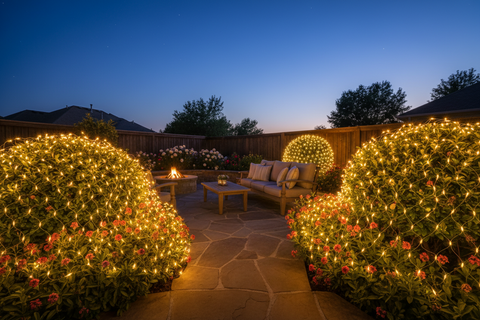
Indoor vertical gardens often require supplemental lighting. Installing energy-efficient LED grow lights can boost plant growth in low-light spaces. Alternatively, solar-powered options like garden solar lights provide soft illumination near your vertical setup, creating ambiance without electricity.
Decorative and Functional Enhancements
Add decorative elements such as small stones, moss layers, or charming plant labels to personalize your garden. Using moisture-retentive potting mixes can also help conserve water and reduce watering frequency.
Troubleshooting Common Issues in Indoor Vertical Gardens
Addressing Drainage and Water Retention Problems
If you notice water pooling or soil drying too quickly, reassess pot drainage. Adding drainage layers or switching to moisture-retentive soil can correct these problems. Avoid stacking pots too tightly, which restrict airflow and promote mold.
Managing Pest and Disease Challenges
Indoor vertical gardens can be susceptible to pests due to plant proximity. Regular inspection and early intervention using organic pest controls such as neem oil ensure your plants remain healthy and vibrant.
Vertical garden installation tips focus on careful pot selection, secure mounting, choosing compatible plants, and attentive maintenance for a flourishing indoor green wall. By following these expert guidelines and using reliable products like vertical hanging pots and decorative garden lighting, you’ll create a stunning vertical garden that transforms your living environment.
Ready to start your indoor garden journey? Explore our vertical hanging garden flower pots today, and subscribe for more expert gardening insights and tips to keep your space thriving.